Source Adjustable Battery Tile Tiling Machine for Walls, Floors, and Ceramics
Find 30 adjustable battery tile tiling machine options from Chinese manufacturers. Compare specifications like 21V power, 180mm suction, and vibration frequencies to select the right tool for wall tiles, floor tiles, and ceramic installations; compare the available evidence and request quotations based on your requirements.
Key considerations
Products List
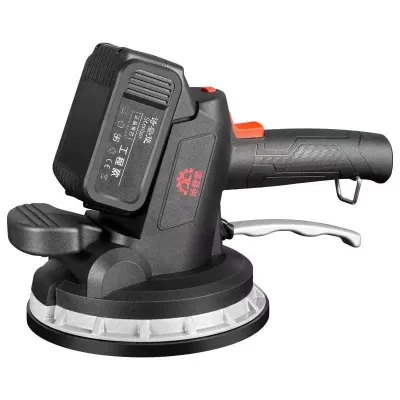


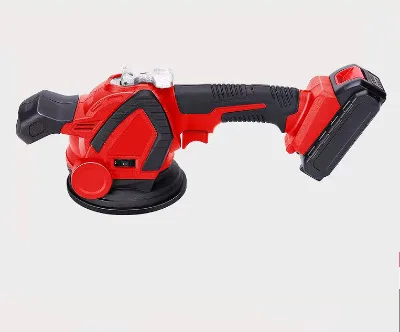


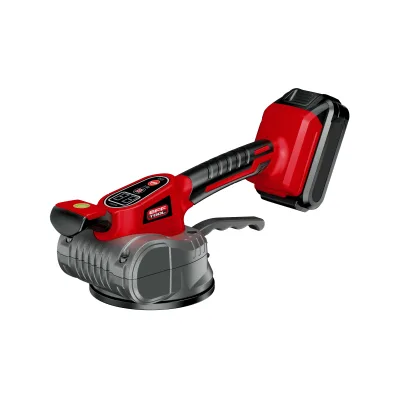


Battery PVC Floor Tile Removal Machine
$6881.00 - $12779.00
Moq: 1
Shandong Roadway Construction Machinery Manufacturing Co., Ltd.


Concrete Tile Rotating-Type Terrazzo Tiles Machine with 53.5kw Installed Power
$98000.00 - $190000.00
Moq: 1
Comprehensive Sourcing Guide
Adjustable Battery Tile Tiling Machine Sourcing Guide
The adjustable battery tile tiling machine represents a specialized class of power tools designed for efficient handling of ceramic and floor tiles in both residential and industrial settings. Based on observed market data, these units typically feature brushless motors and lithium-ion power sources, offering mobility without the constraints of corded operation. Buyers should note that while some listings indicate a single package size of 1x1x1 cm, others specify dimensions around 35x20x28 cm, suggesting significant variation in packaging and potential bundling of accessories like chargers and spare batteries.
Procurement decisions must account for the diverse operational modes available, ranging from ordinary models with single charges to high-vibration variants equipped with dual batteries. The observed vibration frequencies vary between 12,000 and 14,800 revolutions per minute, directly impacting the machine's ability to handle different tile weights and sizes. Sourcing agents must verify that the specific model selected matches the intended application, whether for wall tiles or floor tiles, as the suction disc diameter and adsorption capacity are critical for preventing damage during the lifting and positioning process.
Product Scope and Observed Listing Signals
Market listings for these machines reveal a wide price spectrum, ranging from approximately $15.99 to $190,000, which indicates a mix of entry-level DIY tools and heavy-duty industrial solutions. The minimum order quantity (MOQ) also fluctuates significantly, with some suppliers offering single items while others require orders of up to 500 pieces for OEM customization. This disparity suggests that buyers must clearly define their volume requirements early to avoid being quoted for industrial batch pricing when only a few units are needed for a specific project.
Product attributes such as the "Industrial" grade and specific model numbers like BC-TLT01 or DQA06 serve as key identifiers for distinguishing between consumer-grade and professional-grade equipment. The color is consistently listed as black, but the functional differences lie in the power source configuration and motor type. Buyers should scrutinize the "type" attribute, which describes complex charging scenarios like "two batteries and one charge," to ensure the power management system aligns with the duration and intensity of the intended work shifts.
Technical Specifications to Verify
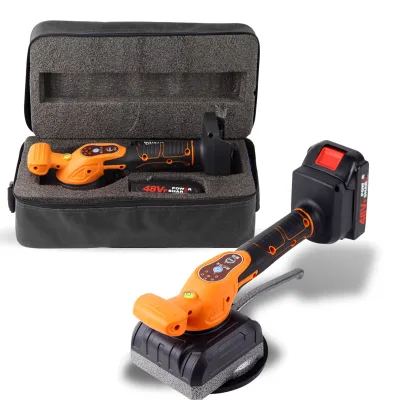
When evaluating technical performance, the vibration frequency and gear control are paramount for ensuring precise tile placement without slippage. Observed data points to a 6-speed control system and vibration frequencies of 12,000r or 14,800r/Min, which must be matched against the specific tile material density. The suction disc diameter is frequently cited as 180mm or 18cm, a dimension that directly correlates with the maximum adsorption capacity of 700kg observed in some listings. Verifying that the actual suction power matches the claimed capacity is essential for safety when handling large-format tiles.
Power specifications require careful validation, as listings vary between 21V 2.0Ah battery configurations and general "Rechargeable - Lithium" descriptions. The motor is described as 100% copper and brushless, which are indicators of durability and efficiency, but the actual power output in watts may differ between models, with some listing 3.5W while others imply higher industrial loads. Buyers must confirm the charging time, which is noted as 3 hours in specific models, to ensure it fits within the operational workflow and that the battery life supports the required duration of continuous use.
Compliance and Safety Documentation
Safety compliance for battery-operated construction tools often hinges on the adherence to international electrical standards, though specific certification marks are not explicitly detailed in the provided product facts. Buyers should request documentation confirming that the lithium batteries and charging systems meet relevant safety protocols for transport and operation, particularly given the high voltage and current capabilities of industrial-grade units. The absence of explicit certification data in the listing necessitates a proactive request for test reports or compliance certificates from the supplier before finalizing any purchase.
Product standards such as the 125mm specification and packing sizes like 39x28x18 cm provide a baseline for physical safety and handling, but they do not replace the need for formal safety audits. The "Industrial" and "DIY" grade classifications imply different risk profiles, and the documentation must reflect the intended use case. For projects involving high-volume tiling, verifying that the machine's vibration control and structural integrity meet occupational safety standards is critical to preventing operator fatigue and equipment failure during extended use.
Cost Drivers and Commercial Terms
The commercial landscape for these machines is influenced heavily by customization options and order volume, with OEM orders often starting at 500 pieces. The price range of $15.99 to $190,000 suggests that unit costs are not linear and may include significant markups for specialized features like high-vibration motors or dual-battery systems. Buyers must distinguish between the cost of a single unit and the total cost of ownership, which includes the price of replacement batteries, chargers, and potential maintenance parts included in the carton box packaging.
Lead times and delivery terms are significant factors in the total cost of procurement, with observed delivery times of 20 days for standard orders. However, the variability in origin locations, such as Shanghai versus Yongkang, China, can impact shipping costs and transit times. Buyers should clarify whether the quoted price includes packaging materials like the plastic box or carton box and verify if the 20-day delivery window applies to customized orders or standard stock items to avoid unexpected delays in project scheduling.
Supplier Qualification and Quality Control
Supplier qualification should focus on the consistency of product origins, as listings indicate multiple production sites including Shanghai and Yongkang in Zhejiang Province. The presence of multiple model numbers like Dqa03 and DQA06 from the same region suggests a robust manufacturing ecosystem, but buyers must verify that the specific factory producing their order maintains consistent quality control standards. The "Industrial" grade designation implies a higher tolerance for wear and tear, so inspecting the motor construction and battery integration is essential to ensure the product meets the claimed durability.
Quality control processes must address the variability in single package sizes and gross weights, which range from 1.000 kg to 3.0 kg. This variation can indicate differences in component quality or the inclusion of different accessories. Buyers should implement a pre-shipment inspection protocol that verifies the motor type, battery capacity, and suction disc diameter against the purchase order specifications. Ensuring that the "100% Copper" motor claim is substantiated by physical inspection or third-party testing is a critical step in mitigating the risk of receiving substandard equipment.
Long-Term Procurement Checks
Long-term procurement success depends on the availability of after-sales support and the reliability of the warranty terms, which are listed as one year for these products. Buyers should establish clear communication channels with the supplier to ensure that warranty claims for battery degradation or motor failure are processed efficiently. The "Customization: Available" attribute suggests that suppliers may offer tailored solutions, but the long-term viability of these custom parts must be confirmed to prevent obsolescence issues if the supplier changes their production lines.
Sustainability and lifecycle management are also critical considerations, particularly regarding the disposal and recycling of lithium batteries and electronic components. Buyers should inquire about the supplier's policies on battery replacement and the availability of spare parts like chargers and suction discs. Given the high vibration frequencies and industrial applications, establishing a maintenance schedule and verifying the availability of technical support for troubleshooting vibration control issues will ensure the equipment remains operational throughout its intended service life.
FAQs
What is the suction capacity of this adjustable battery tile tiling machine?
The machine features an adsorption capacity of 700kg for secure tile handling. This strong suction ensures stability during wall and floor tiling operations. The unit includes a 180mm suction disc diameter to accommodate various tile sizes effectively. This capacity supports industrial-grade performance for professional contractors and DIY users alike.
How long does the battery last on a single charge?
The device is powered by a 21V 2.0ah lithium battery system. It typically requires 3 hours for a full charging cycle. The model supports various configurations, including single or dual battery options. This rechargeable power source allows for cordless operation, enhancing mobility and efficiency on construction sites without needing external power outlets.
Can I customize this tile tiling machine for my brand?
Yes, OEM customization is available for this product line. Buyers can request specific branding or modifications to meet their requirements. The minimum order quantity for OEM orders is 500 pieces. This service allows businesses to tailor the black-colored, brushless motor machine to their specific market needs and identity.
What is the vibration frequency of the tiling tool?
The machine operates with a vibration frequency of 12000r or 14800r per minute. It features a 6-speed control gear for precise adjustment. This variable frequency helps in leveling tiles efficiently on both walls and floors. The brushless motor ensures consistent performance and durability during extended tiling tasks.
Where is this adjustable battery tile tiling machine manufactured?
The product originates from Shanghai and Yongkang, China. Specifically, manufacturing occurs in Zhejiang Province, Yongkang City. These locations are known for industrial tool production. The machine is packaged in a carton box with dimensions of 39x28x18 cm. This origin ensures access to established supply chains and manufacturing expertise.
What is the delivery time for bulk orders?
The standard delivery time is 20 days for orders. This timeline applies to standard production runs. For OEM orders, the minimum quantity is 500 pieces. Buyers should plan their procurement schedules accordingly. The machine is sold as a single item with a gross weight of 1.000 kg per package.